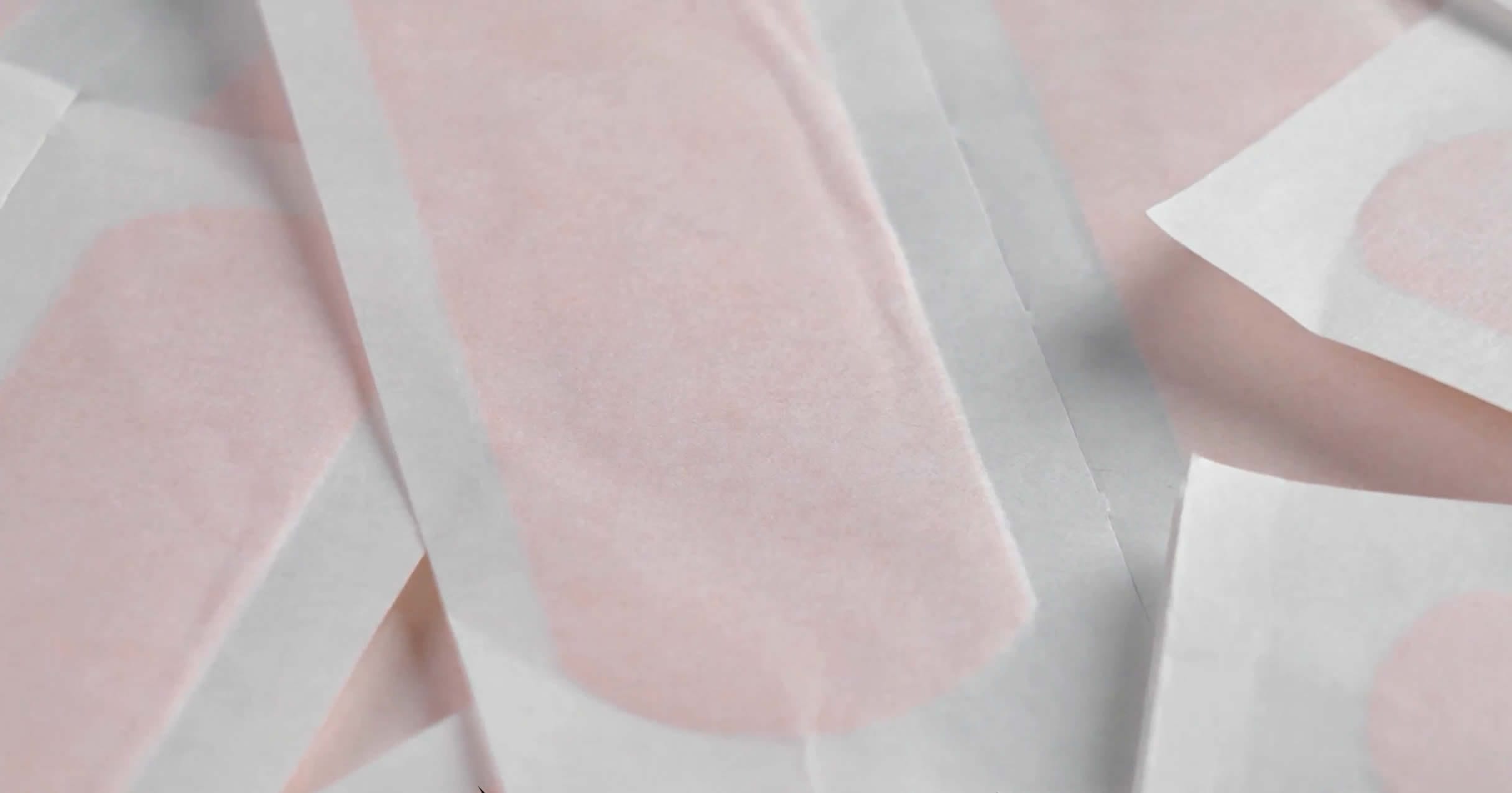
Cataplasm delivery technology is a transdermal method where drugs are loaded into a cataplasm to be delivered directly through the skin to the targeted site or into the body. Compared to traditional drug delivery methods like oral or injectable administration, gel patches offer several unique advantages:
- Reduced systemic side effects: Acts locally, avoiding systemic absorption and reducing side effects.
- Increased drug bioavailability: Transdermal absorption bypasses the first-pass effect of the liver, enhancing bioavailability.
- Improved patient compliance: Easy to use, non-invasive, and painless, making it more acceptable to patients.
However, this technology faces several challenges.
Major Challenges in Cataplasm Delivery Technology
- Despite the advantages of cataplasms in drug delivery, several challenges persist:
- Skin penetration: The skin’s barrier function limits drug absorption through the skin.
- Drug release control: Achieving precise control over drug release rates is challenging, preventing too rapid or insufficient drug release.
- Individual variability: Factors like skin type and absorption rate vary between individuals, significantly affecting efficacy.
- Manufacturing costs: High material and technical requirements increase production costs.
- Regulatory approval: The pharmaceutical industry is subject to stringent regulatory reviews, and products must pass multiple quality and safety certifications.
The performance and efficacy of cataplasms largely depend on the matrix materials. The compatibility between the drug and the matrix material is critical for product stability. If the drug reacts chemically with the matrix or other ingredients, it may become inactive or produce byproducts, impacting its efficacy and safety. Therefore, developing suitable matrix materials to ensure uniform drug distribution, stability, and controlled release is one of the key challenges in research and development.
Researchers and pharmaceutical companies are continuously developing penetration-enhancing techniques, improving matrix materials, and designing personalized drug delivery systems. Acrylic grafted starch has shown significant potential in this field.
Role of Acrylic Grafted Starch in Cataplasms
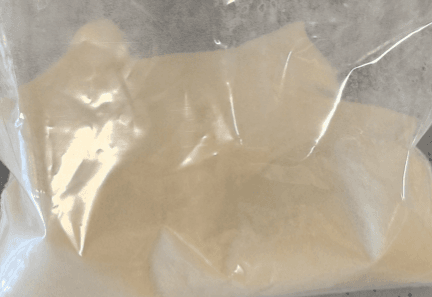
AGS300 is a functional material made by grafting acrylic monomers onto natural starch through copolymerization, combining the biocompatibility of starch with the physicochemical properties of acrylics. In cataplasm delivery, AGS300 plays a crucial role in several areas:
- Enhancing mechanical strength and elasticity of the cataplasm: Maintains the structural integrity and flexibility of the patch, providing lasting support.
- Controlling drug release: Effectively regulates drug release rates, prolonging the duration of the drug’s effect.
- Water absorption and retention: Increases moisture absorption, ensuring the patch stays moist for extended periods, preventing drying or falling off.
- Skin adhesion: Improves the adhesion of the cataplasms to the skin, preventing the patch from slipping or becoming ineffective.
- Biocompatibility: The starch component is safe and non-irritating, suitable for long-term use.
- Drug stability: Acrylic grafted starch protects drugs from environmental factors, prolonging their stability and shelf life.
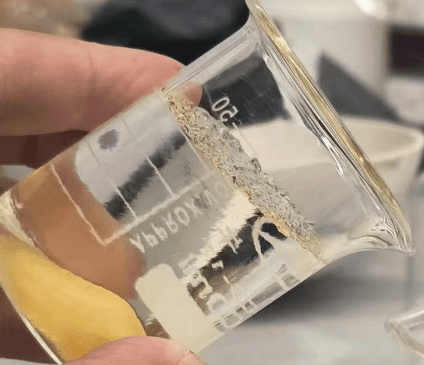
Polyberg’s AGS300, with an average particle size of 30μm, can absorb up to 7.3 times its own weight in water (730% water absorption) and has a viscosity of 50,000 mPa.s, making it particularly well-suited as a matrix material in cataplasms.
Polyberg’s Advantages in AGS300
Polyberg, a leading global company in the pharmaceutical and nutritional sciences industry, demonstrates unique competitiveness in the production of AGS300 through its innovation, quality control, and broad application range. The company’s advantages are as follows:
1. Innovative Grafting Technology
- Efficient grafting process: Polyberg uses advanced graft polymerization techniques to successfully combine acrylic monomers with starch chains, creating superior copolymers that enhance water absorption, elasticity, and mechanical strength.
- Custom design: Polyberg can flexibly adjust the degree of grafting and molecular structure of starch according to application needs, providing customized solutions for different drug delivery systems, such as adjusting water absorption and drug release rates.
2. Stable Product Quality and Consistency
- Strict quality control: Polyberg is known for its high-standard production processes and quality control measures, ensuring consistent quality in every batch of AGS300, which is crucial in drug delivery applications to avoid any changes in product properties.
- Regulatory compliance: Polyberg’s products undergo rigorous quality and safety certifications, ensuring compliance with pharmaceutical and medical device regulations.
3. Excellent Biocompatibility
- High safety: Acrylic grafted starch combines the natural biocompatibility of starch. Polyberg ensures its products are non-toxic and non-irritating, making them particularly suitable for applications involving long-term skin contact.
- Biodegradability and environmental friendliness: The natural starch component provides a degree of biodegradability, making it safer for humans and more environmentally friendly, aligning with current trends of sustainability and eco-conscious development.
4. Wide Application Range and Flexibility
- Multifunctional material: AGS300 not only performs exceptionally in cataplasms but also finds applications in other drug delivery systems, food, nutritional supplements, and cosmetics, showcasing its versatility and adaptability.
- Strong tunability: Polyberg’s technology allows for great flexibility in different formulations, enabling control over grafting levels, material thickness, and water absorption to meet specific needs in different drug and application scenarios.
5. Technical Support and Market Advantage
- Research and development support: Polyberg provides robust technical support to its clients, helping to solve technical challenges in product development, ensuring smooth progress in product development.
- Global supply chain: As a renowned international company, Polyberg boasts a strong global supply chain network, ensuring that Acrylic Grafted Starch can be delivered quickly and safely to customers worldwide.
Polyberg’s AGS300, with its innovative grafting technology, stringent quality control, biocompatibility, broad application range, and strong technical support, is an ideal matrix material for cataplasm drug delivery technology. It plays a key role in ensuring effective drug delivery, enhancing cataplasm performance, and improving water absorption and stability, providing safe, effective, and flexible solutions for drug delivery systems.
Sales Link
https://www.watson-int.com/acrylic-grafted-starch-300/
#Cataplasms https://www.fcad.com/acrylic-grafted-starch-300-ags300-in-cataplasms-polybergs-unique-advantages/
Comments
Post a Comment